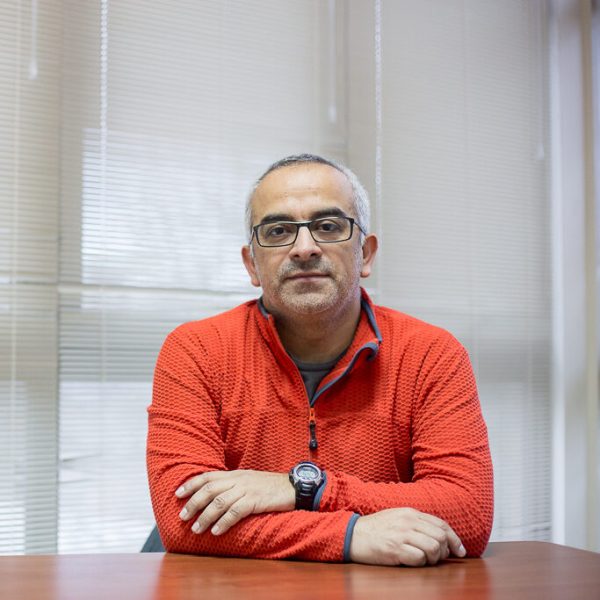
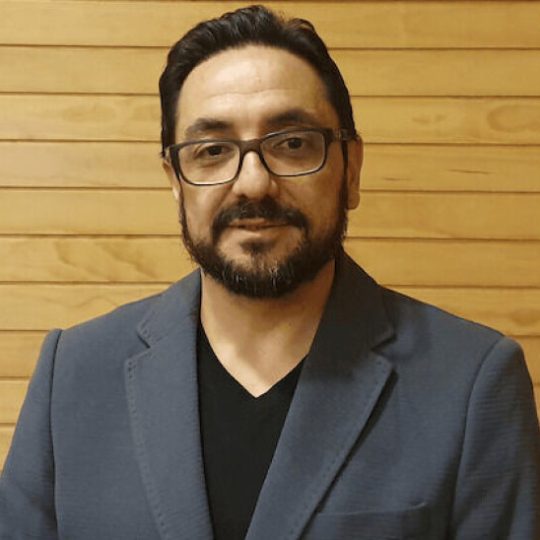
is an Associate Faculty at the Oceanography Department, University of Concepción (UdeC, Chile). He is also a Principal Investigator at the Center for Oceanographic Research COPAS Coastal and Associate Researcher at the INCAR Center for Interdisciplinary Research on Aquaculture.
Dr. Tapia holds a Ph.D. in Biological Oceanography from the Massachusetts Institute of Technology and Woods Hole Oceanographic Institution (USA). His main research interests lie at the interface of coastal oceanography and ecology. He combines physical-chemical and biological observations (from zooplankton surveys to genomics-based analyses) to understand how the spatial and temporal variability in coastal oceanographic phenomena determine the structure and functioning of coastal populations.
Dr. Tapia is involved in undergraduate and graduate teaching in biological oceanography, marine ecology, and statistical methods for time series analysis, as well as mentoring undergraduate and graduate students at UdeC.
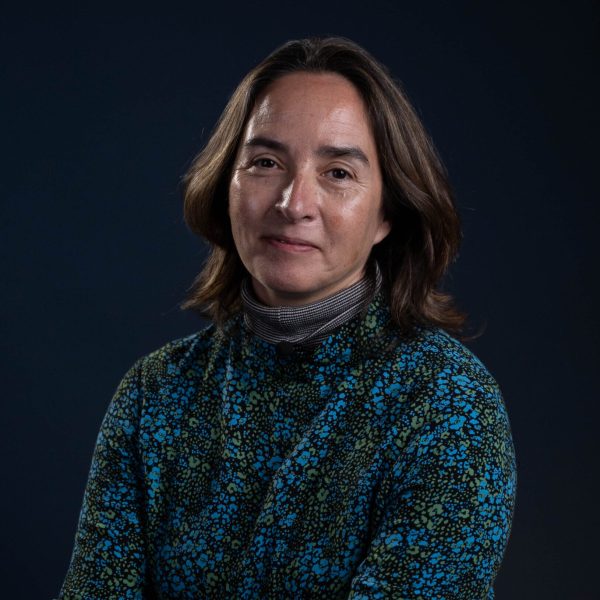
Camila Fernández
Academic Committee
Is a Marine Biologist from the University of Concepción. She studied a Master’s and PhD at the University of the Mediterranean in France, specializing in Marine Biogeochemistry. She has studied the microscopic organisms of the ocean and published studies on pollutants in the ocean. After her postdoc, she became a researcher at the National Center for Scientific Research in France and led the creation of an international French-Chilean Laboratory that operates until today.
In 2012, she became a visiting professor at UdeC and in 2017 she completed her European Habilitation to conduct research at the Sorbonne University in France. She has been the Director of the COPAS Coastal Basal Center since 2021. In 2024, she became an Adjoint Professor at the University of Concepcion
Principal investigator of the line «Atmospheric and Oceanic Forcings» of COPAS Coastal and previously of the line «Oceanographic Observation and Modeling for Coastal Ecosystem Studies» of COPAS Sur-Austral.
He is an Associate Professor at the Department of Oceanography, University of Concepcion and Director of the Technological Development Unit at COPAS Coastal. From 2000-2004, he was a research associate at Estación Costera de Investigaciones Marinas (ECIM), Pontificia Universidad Católica de Chile.
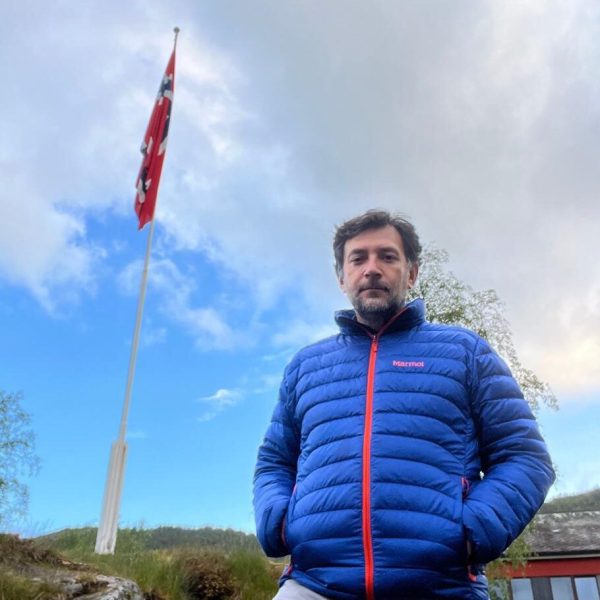
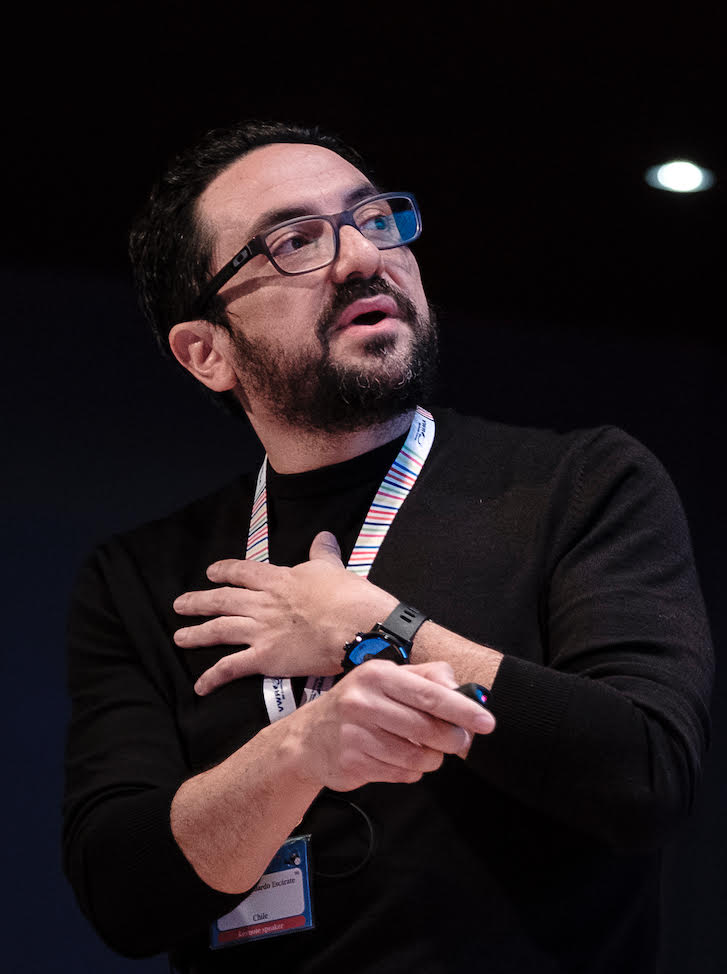
is a Professor at the Department of Oceanography, University of Concepción (UdeC, Concepción, Chile), Associate Investigator at the Center for Oceanographic Research COPAS COASTAL and the Deputy Director of the Interdisciplinary Center for Aquaculture Research (INCAR). He also has a professorship at the University of Washington, School of Aquatic and Fisheries Science (Washington, USA).
Dr.Gallardo-Escárate has conducted extensive research on marine genomics, which involves the study of the genetic information of marine organisms. He has applied genomic techniques to investigate a wide range of topics related to marine biology, including the genomics of shellfish, marine bacteria, and parasites such as sea lice. One of his research’s main focuses has been using genomics to improve aquaculture practices. For example, he has investigated the genetic basis of traits such as growth rate and disease resistance in farmed salmon and other fish species. This information can be used to develop selective breeding programs that produce healthier and more productive fish. Dr. Gallardo-Escárate has also used genomics to study the impacts of environmental stressors on marine organisms. In one study, he and his team investigated ocean acidification’s effects on mussels’ gene expression. They found that certain genes involved in shell formation and energy metabolism were significantly affected by ocean acidification, which could have implications for the survival and growth of these organisms. In another study, his research team identified several novel ncRNAs in sea lice using a combination of bioinformatic and experimental approaches. They also found that some of these ncRNAs were differentially expressed in response to chemical treatments, suggesting that they may be involved in the development of resistance to these treatments.
His publication list includes 200 articles since 2005, in which functional genomics based on sequencing technology has been one of the main topics explored. He has established strong scientific and educational collaborations with colleagues in Spain, Italy, USA, and UK.
Dr. Gallardo-Escárate is involved in undergraduate and graduate teaching in marine genomics as well as mentoring graduate students at UdeC. Since 2007, he has been the advisor of 10 Ph.D. and 7 M.Sc. theses. Additionally, he has organized several workshops in Marine Genomics since 2010. Dr. Gallardo-Escárate is an associated editor of several scientific journals in the field of molecular biology applied in marine organisms and he has been a member of the evaluation committee for FONDECYT and graduate students at ANID (Santiago, Chile).